
Popular Tree Removal Products For Professional and DIY Projects
Discover essential tools and gear trusted by experts and enthusiasts to handle tree removal tasks with confidence and precision.
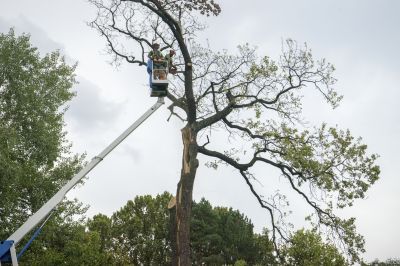 Tree removal is a task that often requires specialized tools and equipment to ensure safety and efficiency. Whether dealing with hazardous limbs, dead trees, or clearing space for development, having the right products can make the process smoother. In Richland, WA, where the landscape features a variety of tree types and sizes, selecting appropriate tools is essential for both professional arborists and homeowners. Proper equipment not only improves safety but also helps achieve cleaner cuts and minimizes damage to surrounding vegetation.
Top Overall Option
Heavy-Duty Gas Powered Chainsaw
A versatile and powerful chainsaw designed for demanding tree removal tasks, offering high performance and durability. It features a robust engine, long-lasting chain, and ergonomic design for extended use. Ideal for professionals and serious homeowners tackling large trees, this equipment can handle a variety of cutting needs with precision and safety.
Types of Products For Tree Removals
Manual Hand Pruners
Ideal for trimming small branches and precise cuts, these lightweight tools are essential for detailed work.
Pole Pruners
Extend your reach to trim high branches safely without the need for ladders.
Chainsaws (Gas and Electric)
Main tools for cutting through large limbs and trunks, available in various power sources to suit different needs.
Bow Saws
Handheld saws suitable for cutting smaller branches and limbs with control.
Loppers
Long-handled cutting tools for reaching and trimming medium-sized branches.
Stump Grinders
Machines designed to grind down tree stumps after removal, facilitating land clearing.
Rope and Pulley Systems
Assist in safely lowering large branches or sections of trees during removal.
Safety Gear
Protective helmets, gloves, goggles, and chaps to ensure safety during tree work.
Ladders and Climbing Gear
Essential for reaching high branches safely when trimming or removing trees.
Tree Removal Nets
Catch falling debris to protect surrounding property and people.
Hydraulic Tree Lifts
Heavy equipment used for lifting and removing large trees with stability.
Debris Chippers
Convert branches and wood into mulch for disposal or landscaping.
Tree Felling Wedges
Assist in controlled tree felling by guiding the direction of the fall.
Winches
Help in pulling or stabilizing trees during removal processes.
Ground Protection Mats
Protect surfaces during heavy equipment operation.
Tree Safety Harnesses
Provide additional safety for workers climbing or working at heights.
Popular Choices
Portable and easy to handle, suitable for smaller tree trimming and removal tasks.
Powerful options for larger trees, offering mobility without cords.
Convenient for reaching high branches with minimal effort.
Hand tools favored for precision cuts and smaller branches.
Attach to machinery for efficient stump grinding.
Vital safety equipment for protecting against falling debris.
Allow safe ascent and movement in tall trees.
Used for controlled lowering of large branches.
Ideal for small-scale land clearing projects.
Provide stable access for high tree work.
Assist in pulling or stabilizing large trees during removal.
Help guide the direction of a tree's fall for safety.
Includes chaps, gloves, and boots designed for arborist safety.
Ensure safety and mobility when working at height.
Lightweight and extendable for reaching various heights.
Convert branches into mulch for landscaping or disposal.
Help contain falling debris during removal.
When considering tree removal products, it is important to evaluate the scope of the job. Smaller projects might only need basic pruning tools, while larger or more complex removals could require heavy-duty equipment. Safety gear is equally critical, including protective clothing and accessories to prevent injury. Investing in quality tools can also enhance productivity, reduce fatigue, and ensure that the task is completed with precision.
Understanding the different types of products available can help in making informed decisions. From manual hand saws and pole pruners to powered chainsaws and stump grinders, each tool serves a specific purpose. Proper training and adherence to safety guidelines are vital when operating these products. Additionally, considering storage solutions and maintenance equipment can extend the lifespan of your tools, ensuring they remain effective for future projects.
Overall, choosing the right products for tree removal involves assessing the specific requirements of your project, safety considerations, and the scale of the work. In Richland, WA, a diverse range of options is available to meet these needs, whether for occasional yard maintenance or professional tree service operations. Selecting appropriate equipment can lead to safer, more efficient, and cleaner tree removal processes.
Key Buying Considerations
- Assess the size and type of trees to determine the necessary power and size of tools.
- Prioritize safety features such as guards, safety switches, and protective gear.
- Evaluate the weight and ergonomic design of equipment for ease of handling.
- Consider the power source: corded electric, cordless battery, or gas-powered, based on mobility needs.
- Check for durability and build quality to ensure long-term use in demanding conditions.
- Review maintenance requirements and availability of replacement parts.
- Determine the scope of your project to select appropriately sized tools and accessories.
- Look into storage solutions to keep equipment organized and protected.
- Ensure compatibility of accessories and attachments for versatility.
- Consider noise levels, especially if working in residential areas.
- Review user reviews and ratings for insights into real-world performance.
- Evaluate the availability of training or instructional resources for safe operation.
- Think about budget constraints while balancing quality and features.
- Check for warranty or service support options from suppliers.
- Determine if additional safety gear is needed for your specific tasks.