
Optimal Timing for Tree Removals
Understanding the optimal time for tree removals can help ensure safety and efficiency. The timing depends on various factors including tree species, weather conditions, and the purpose of removal. Proper timing minimizes risks and can reduce costs associated with the process.
Spring is suitable for removing trees that are dormant or less active, reducing stress on remaining landscape.
Summer removals are best avoided during peak heat; however, they can be performed when necessary with proper precautions.
Fall offers a good window for tree removal before winter, especially for deciduous trees shedding leaves.
Winter is often the ideal time for tree removal due to dormancy, less foliage, and easier access.
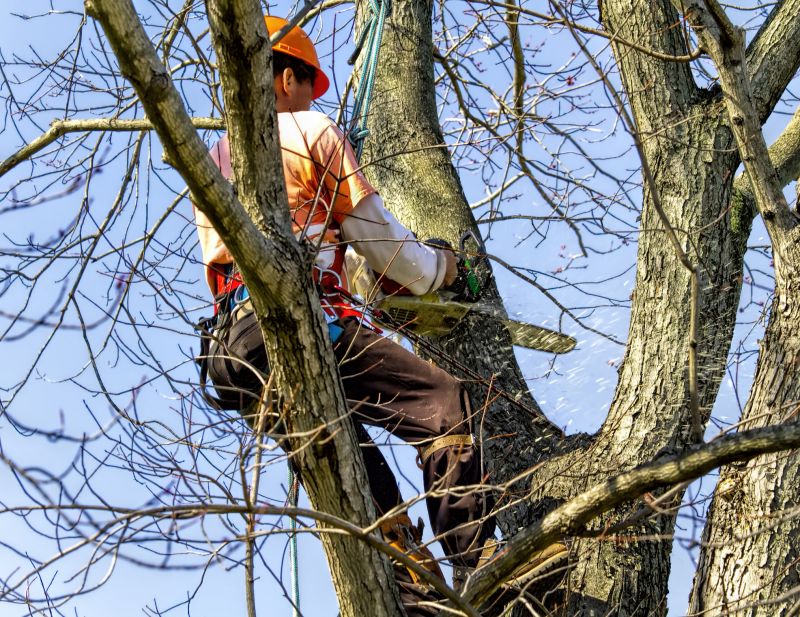
Specialized equipment used during tree removals ensures safety and precision.
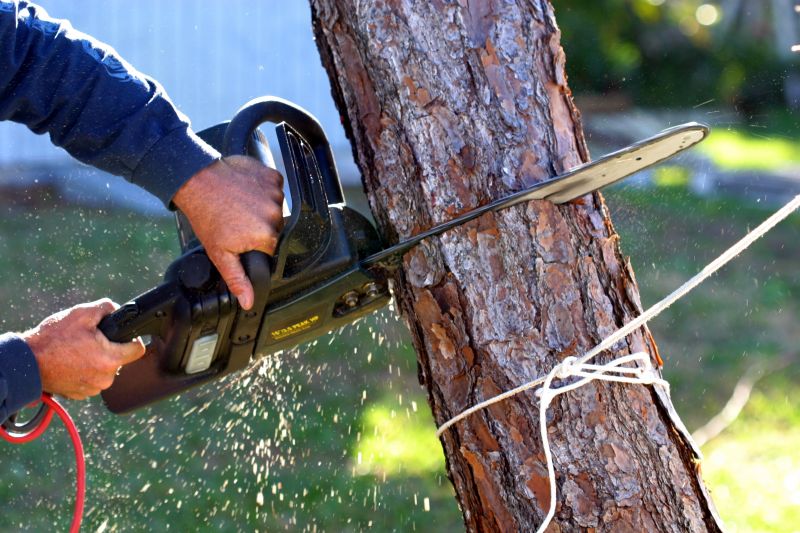
Careful planning and execution are essential for safe tree removal.
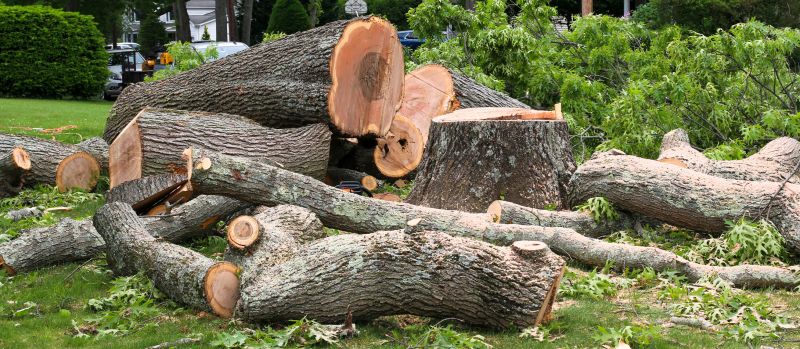
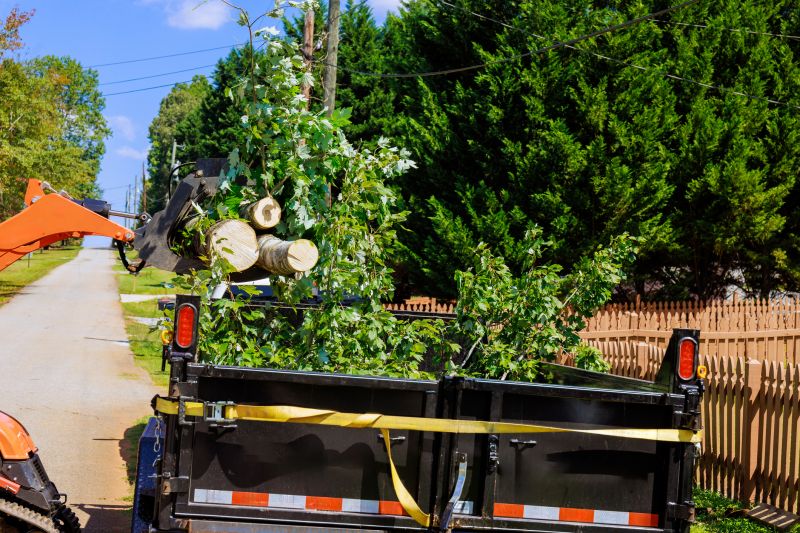
Proper disposal or repurposing of felled trees is part of the removal process.
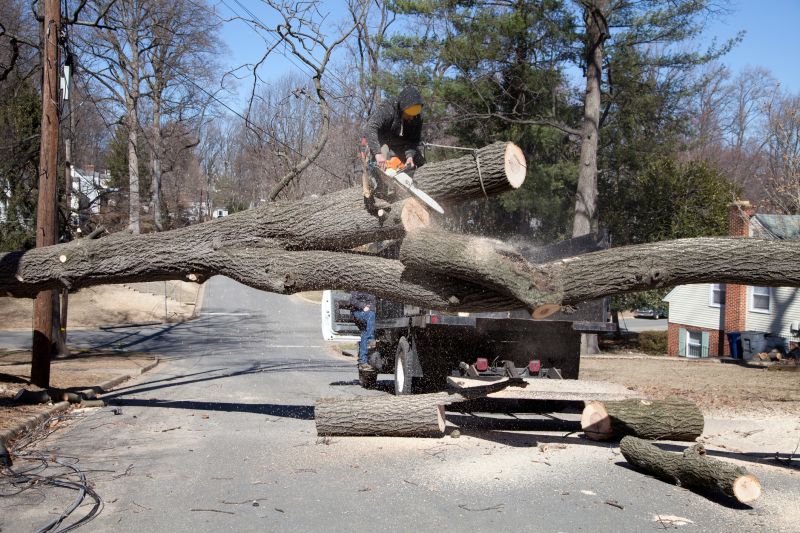
Ways to make Tree Removals work in tight or awkward layouts.
Popular materials for Tree Removals and why they hold up over time.
Simple add-ons that improve Tree Removals without blowing the budget.
High-end options that actually feel worth it for Tree Removals.
Finishes and colors that play nicely with Tree Removals.
| Season | Best Practices |
|---|---|
| Spring | Perform removals before trees leaf out to reduce stress. |
| Summer | Avoid during peak heat; prefer early morning or late evening. |
| Fall | Ideal for deciduous trees before winter dormancy. |
| Winter | Most suitable due to tree dormancy and accessibility. |
| Weather | Choose days with dry, calm conditions for safety. |
Tree removals are a critical aspect of landscape management, ensuring safety, health, and aesthetic appeal. Proper timing can prevent damage to surrounding structures and other trees. Statistically, performing removals during dormancy reduces the risk of disease spread and minimizes impact on nearby vegetation.
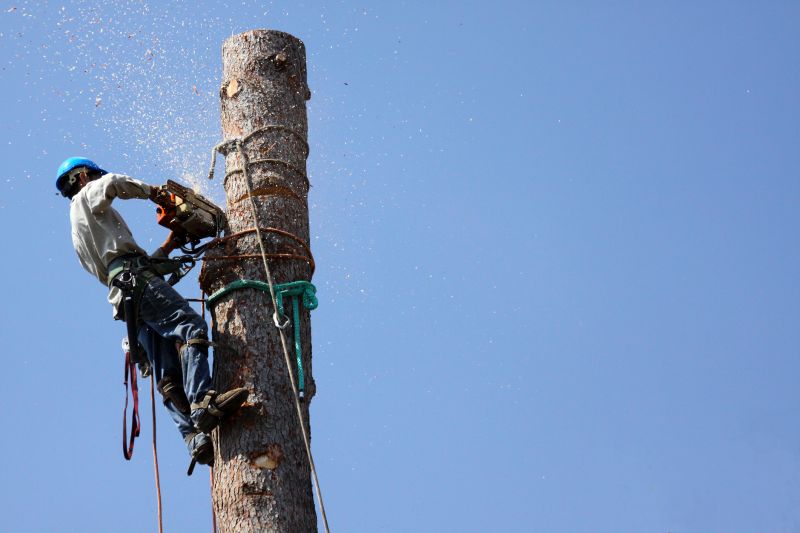
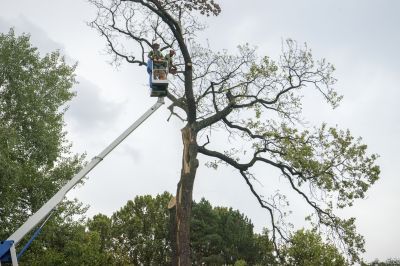
A professional crew safely removing a large tree.
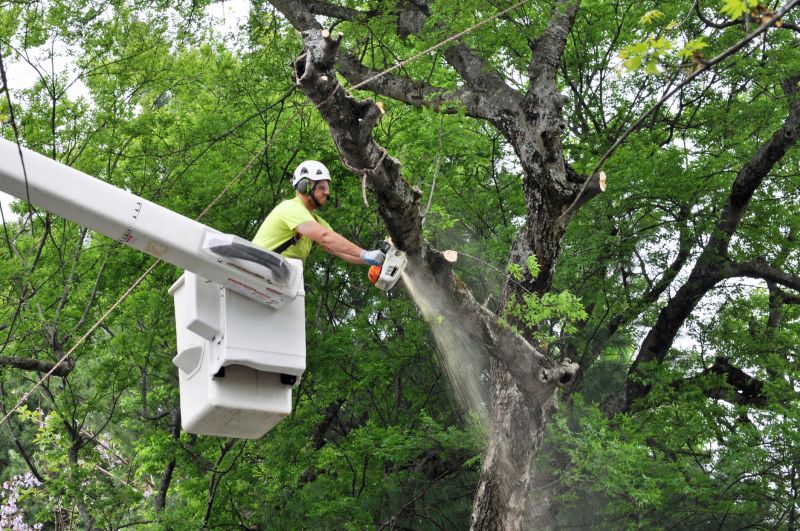
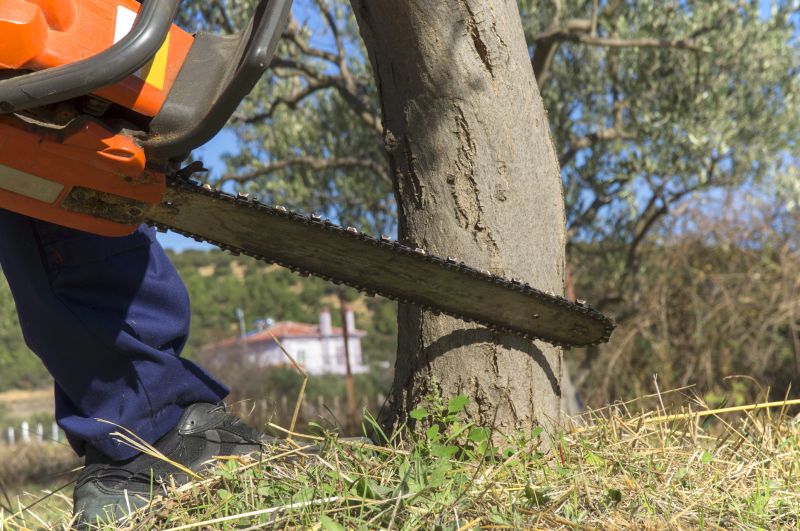
Chainsaws, cranes, and rigging gear facilitate safe removal.

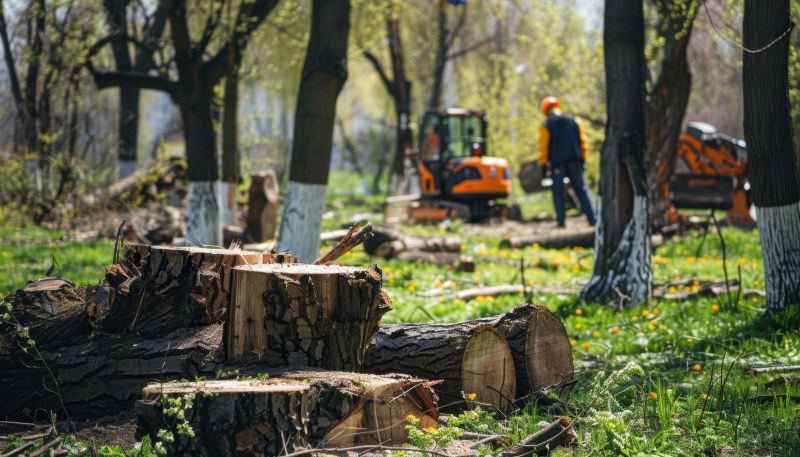
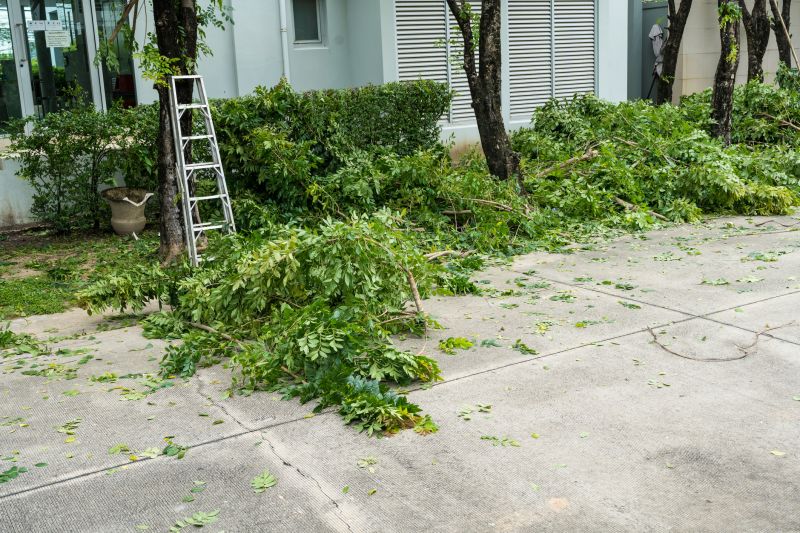
Post-removal site preparation ensures safety and aesthetics.
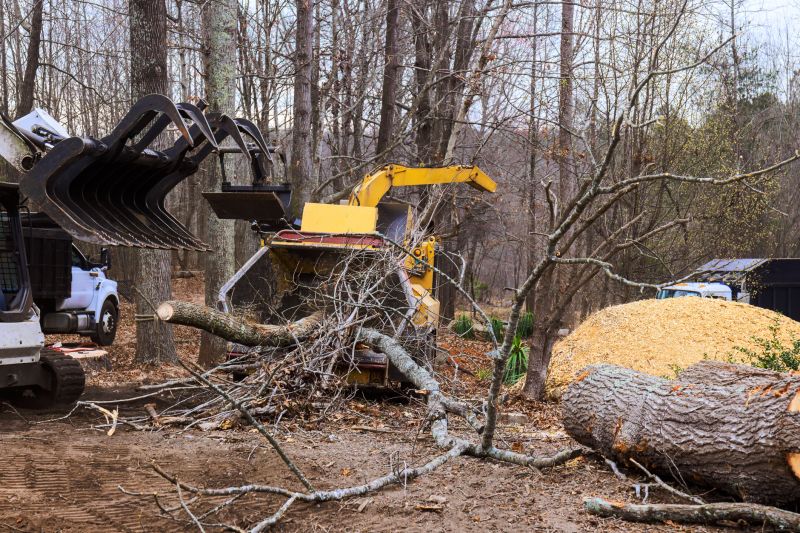
Chipping, hauling, or recycling felled trees are common disposal methods.

Little measurements that prevent headaches on Tree Removals day.
A 60-second routine that keeps Tree Removals looking new.
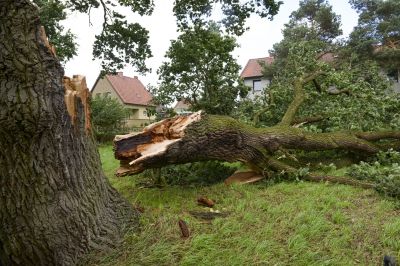
A frequent mistake in Tree Removals and how to dodge it.
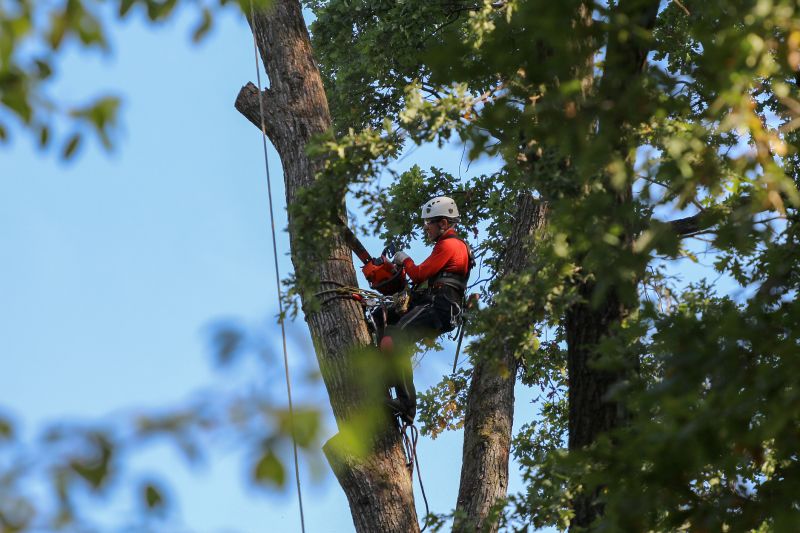
Small tweaks to make Tree Removals safer and easier to use.
Interested in scheduling a tree removal? Filling out the contact form can provide more information and help plan the process effectively. Proper timing and execution are essential for maintaining landscape health and safety.